
Exploring the cultural significance of casinos in modern society
The Historical Context of Casinos
Casinos have evolved significantly over the centuries, tracing their roots back to ancient games of chance. The first recognized gambling houses appeared in Italy during the Renaissance, where nobility gathered to play games like baccarat and dice. These early establishments were exclusive, catering to the wealthy elite, which established gambling as a status symbol, a precursor to modern-day casinos that often occupy lavish spaces designed to entice visitors. Many of these modern establishments, like Asino Casino, attract a diverse clientele looking for entertainment.

As gambling spread through Europe, it became intertwined with local cultures, influencing various social structures. The introduction of gambling laws in the 19th century marked a significant turning point, as countries began to regulate the industry rather than ban it outright. This transition signaled a shift in societal attitudes toward gambling, as it began to be seen as an acceptable form of entertainment, paving the way for the explosion of casinos in the 20th century.
Today, casinos are not merely places to gamble; they are cultural landmarks that reflect the values and attitudes of the societies in which they operate. From the glitzy lights of Las Vegas to the sophisticated ambiance of Monte Carlo, casinos serve as a lens through which we can examine economic, social, and even moral dimensions of modern life, illustrating how they have woven themselves into the fabric of contemporary culture.
Casinos as Social Hubs
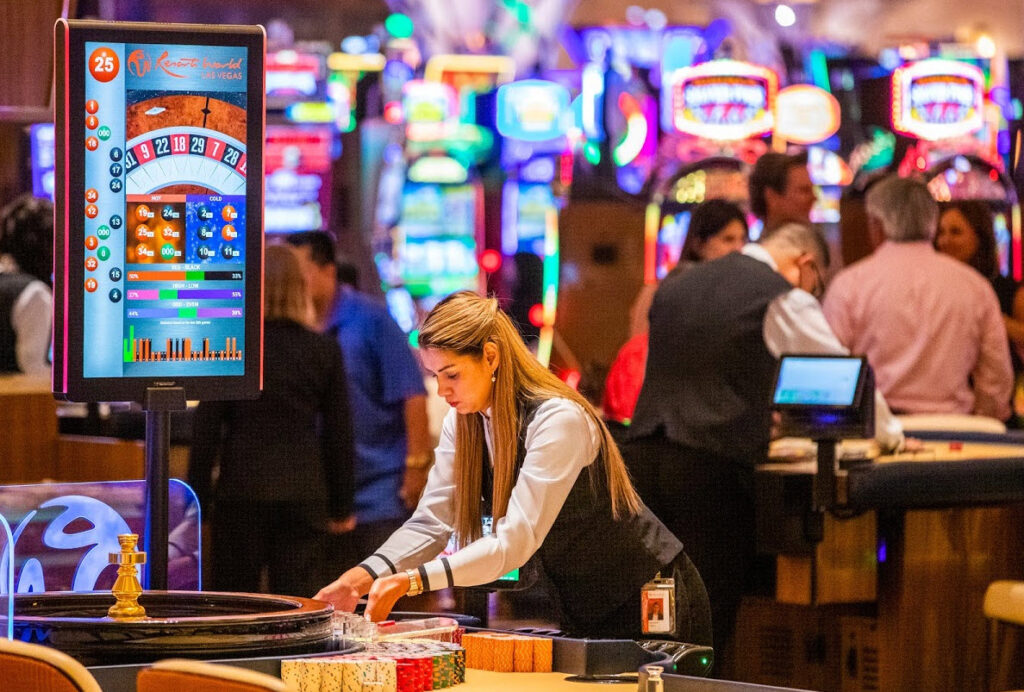
Casinos have increasingly become social gathering places, drawing diverse crowds from all walks of life. They provide more than just gaming; they offer a comprehensive experience that includes dining, entertainment, and nightlife. Many casinos now feature world-class restaurants, live shows, and dance clubs, creating an environment where people can connect beyond the gaming tables. This multifaceted approach attracts individuals seeking not only the thrill of gambling but also a vibrant social experience.
The communal aspect of casinos fosters interactions that might not happen elsewhere. Strangers can bond over a shared gaming experience, sparking friendships and, occasionally, romantic relationships. In this sense, casinos act as microcosms of society, where the thrill of chance brings people together in unexpected ways, thus enriching the community spirit within and around these establishments.
Moreover, casinos often serve as venues for social events and gatherings, further solidifying their role as social hubs. From charity events to corporate functions, casinos host a variety of activities that encourage participation and foster community engagement. This aspect emphasizes their cultural significance, as they transform into platforms for social interaction and connection, illustrating how gaming can bring people together in meaningful ways.
The Economic Impact of Casinos
Beyond their cultural significance, casinos play a crucial role in the economy. They generate substantial revenue not only for their owners but also for local governments through taxes and licensing fees. This revenue is often reinvested in public services such as education, infrastructure, and healthcare, highlighting how casinos can contribute positively to the communities they inhabit.
Additionally, the job creation associated with casinos is significant. They employ thousands of individuals, from dealers and servers to management and security personnel. This influx of employment opportunities can greatly benefit local economies, reducing unemployment rates and providing a steady income stream for families. As a result, casinos can have a profound impact on the economic landscape, particularly in regions where traditional industries may be declining.
Furthermore, casinos can stimulate tourism, drawing visitors from far and wide. Destinations known for their casinos often attract tourists who contribute to the economy through spending on hotels, dining, and entertainment. This boost in tourism can revitalize local economies, making casinos not just gambling establishments but vital components of the broader economic ecosystem.
Casinos and Cultural Identity
Casinos often reflect and influence the cultural identity of the regions they inhabit. In places like Las Vegas, the casino represents a unique blend of entertainment, excess, and risk-taking that has become synonymous with the city itself. This image attracts millions of tourists who seek the excitement of gambling within the extravagant setting that embodies the American Dream of fortune and fame.
Similarly, in other cultures, casinos can mirror local traditions and values. For instance, in Macau, casinos are intertwined with Chinese culture, where gambling is seen as a form of entertainment rather than just a means to make money. This cultural context shapes how casinos operate and what they offer, creating a unique experience that resonates with local customs and expectations.
As cultural centers, casinos also host events that celebrate local heritage, incorporating elements such as art, music, and cuisine. This not only enriches the visitor experience but also fosters a sense of pride and belonging among local communities. By integrating cultural elements, casinos can transcend their primary function as gambling venues to become platforms for cultural exchange and celebration.
The Future of Casinos in Society
The future of casinos appears to be evolving, driven by technological advancements and changing societal values. Online gambling has gained enormous popularity, challenging traditional brick-and-mortar establishments to adapt or risk obsolescence. This shift has prompted many casinos to enhance their digital presence, developing apps and online platforms that allow players to gamble from the comfort of their homes while still engaging with the casino experience.
Moreover, as awareness of responsible gambling grows, many casinos are implementing measures to promote safe gaming practices. This includes offering resources for those who may be struggling with addiction and creating environments that prioritize customer well-being. This evolution is crucial in ensuring that casinos remain not only places of entertainment but also responsible community contributors.
As we look ahead, the cultural significance of casinos will likely continue to transform. They will need to embrace innovations while remaining connected to the communities they serve. By doing so, they can ensure their relevance in an ever-changing societal landscape and continue to be places where culture, economy, and social interaction converge.
About Our Website
Our website serves as a comprehensive resource for individuals interested in learning about casinos and their multifaceted role in society. We provide insightful articles, guides, and analysis aimed at both beginners and seasoned enthusiasts, ensuring that our readers are well-informed about the various aspects of casino culture.
We also prioritize responsible gambling education, promoting awareness around safe gaming practices. Our goal is to create a community where individuals can share their experiences and knowledge while fostering a positive environment for learning about the intriguing world of casinos.