
The evolution of gambling a historical journey through time
The Origins of Gambling
The history of gambling dates back thousands of years, with evidence of early games of chance found in ancient civilizations. Archaeological discoveries in China suggest that rudimentary forms of gambling existed as far back as 2300 BCE. Dice made from bone and other materials were used in various games, indicating that the allure of risk and chance has been a fundamental part of human culture since its inception. Today, players looking to enjoy this thrill might consider the best non Gamstop casinos, which provide a platform for exciting games without certain restrictions.

In ancient Rome, gambling was not only popular among the elite but also a significant part of public life. Citizens engaged in betting on gladiatorial contests and chariot races, establishing a culture that celebrated the thrill of chance. This early form of betting laid the groundwork for modern gambling practices and the establishment of organized gaming systems.
The Middle Ages and the Rise of Gambling Houses
The Middle Ages saw a shift in gambling practices, as formal establishments began to emerge. The first known gaming houses opened in Italy during the 17th century, providing a controlled environment for various games. These establishments marked the transition from informal gambling among individuals to a more structured and regulated form of entertainment, setting the stage for the casinos we know today.
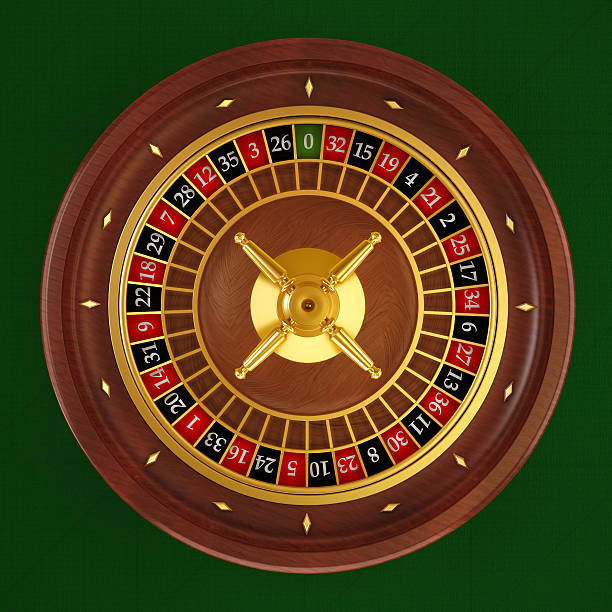
As gambling gained popularity across Europe, laws were enacted to regulate the burgeoning industry. The French, in particular, became instrumental in shaping modern gambling. The introduction of games like roulette and the development of gambling strategies contributed to the sophistication of gambling culture during this period.
The 19th Century and the Advent of Modern Casinos
The 19th century was a pivotal time for gambling, marked by the rise of lavish casinos in Europe. The first official casino, the Casino di Venezia, opened its doors in Italy, while others soon followed in France and Austria. These venues attracted the wealthy elite, offering not only gaming but also extravagant entertainment and dining experiences.
This era also saw the proliferation of gambling in the United States, where the establishment of casinos in New Orleans and later Las Vegas revolutionized the industry. The iconic Las Vegas Strip became synonymous with gambling, drawing millions of visitors eager to experience the thrill of chance in a glamorous setting.
The Digital Revolution and Online Gambling
The turn of the 21st century brought significant changes to gambling through the rise of the internet. Online casinos emerged, allowing players to enjoy their favorite games from the comfort of their homes. This shift made gambling more accessible to a wider audience and introduced new forms of gaming, including live dealer games and innovative slot machines.
As technology evolved, so did the regulatory landscape. Governments worldwide began to implement laws governing online gambling, ensuring that players could enjoy a safe and fair gaming experience. The convenience of online platforms has transformed how people engage with gambling, creating a vibrant and rapidly growing industry.
Exploring the Future of Gambling
The future of gambling looks promising as emerging technologies continue to shape the industry. With the rise of virtual reality and augmented reality, players can anticipate immersive gaming experiences that blend the physical and digital worlds. Innovations in blockchain technology are also paving the way for more transparent and secure gambling environments.
As gambling continues to evolve, the importance of responsible gaming remains paramount. Players are encouraged to engage in ethical practices and seek out safe gaming environments. As we look ahead, it is crucial to balance innovation with player protection to ensure that gambling remains a form of entertainment rather than a risk.